
Brace Yourself: Extreme Winter Snowstorm Warning for Travelers – What You Need to Know
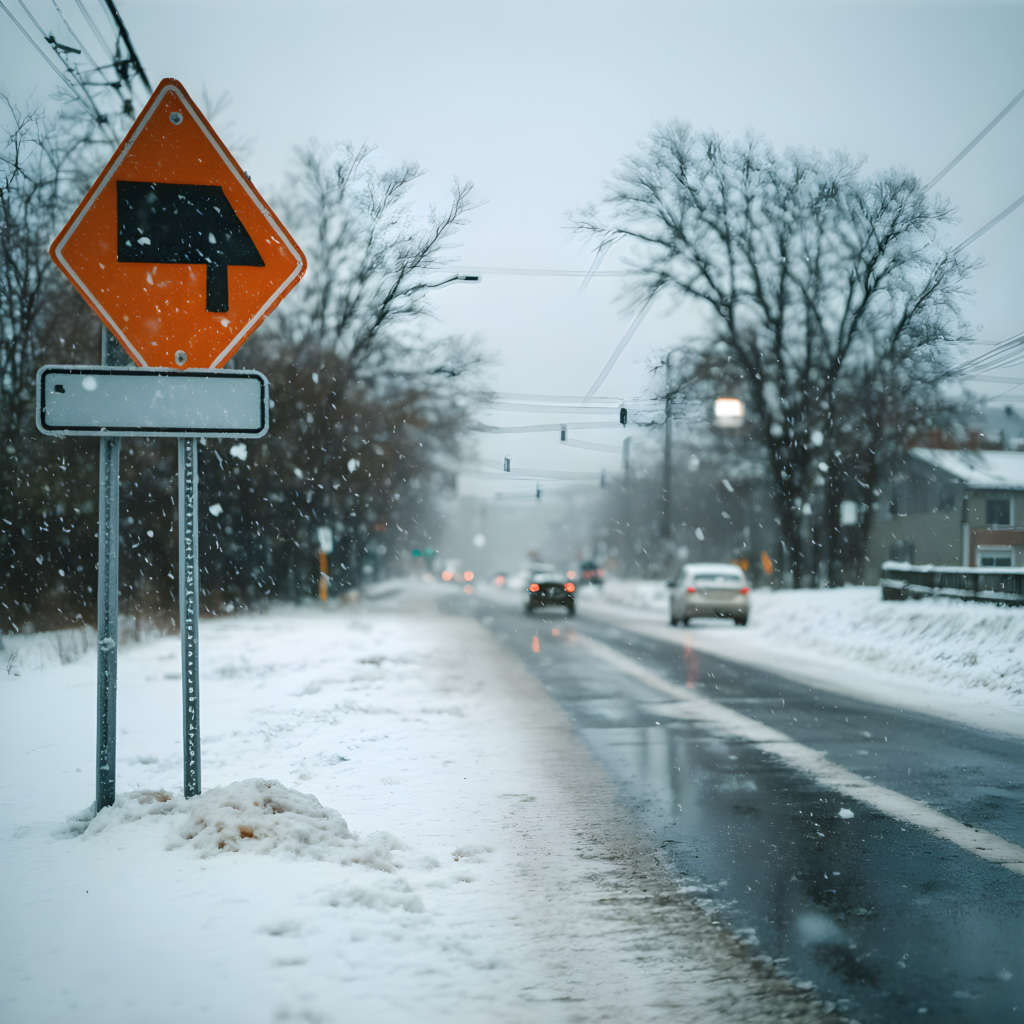
As winter tightens its grip across much of the Northern Hemisphere, meteorologists are issuing urgent weather alerts for an exceptionally intense snowstorm set to blanket large parts of the United States, Canada, and parts of Europe. If you’re planning to travel in the coming days, it’s crucial to understand the risks, prepare adequately, and stay informed to ensure your safety.
The Weather Situation: What’s Happening?
According to the latest updates from the National Weather Service (NWS) and Environment Canada, a powerful winter storm is rapidly developing over the northern plains of the U.S., poised to sweep eastward with heavy snowfall, strong winds, and dangerously low temperatures. This storm system is expected to bring:
- Snow accumulations of 12 to 24 inches (30 to 60 cm) in some areas, with localized amounts exceeding 30 inches.
- Blizzard conditions with sustained winds of 25 to 35 mph and gusts up to 50 mph, drastically reducing visibility.
- Sub-zero wind chills that will make exposure extremely hazardous.
- Icy roads and widespread travel disruptions across highways, airports, and train routes.
Similarly, parts of southern and central Canada are bracing for heavy snow and freezing rain, leading to treacherous road conditions and flight cancellations. Across Europe, cold Arctic air is colliding with moist Atlantic fronts, causing heavy snow in the Alps, the UK, and parts of Eastern Europe.
What This Means for Travelers
If you had plans to hit the road, catch a flight, or embark on a train journey in the next few days, reconsider and review your itinerary carefully. Here are some critical impacts and considerations:
1. Road Travel Hazards
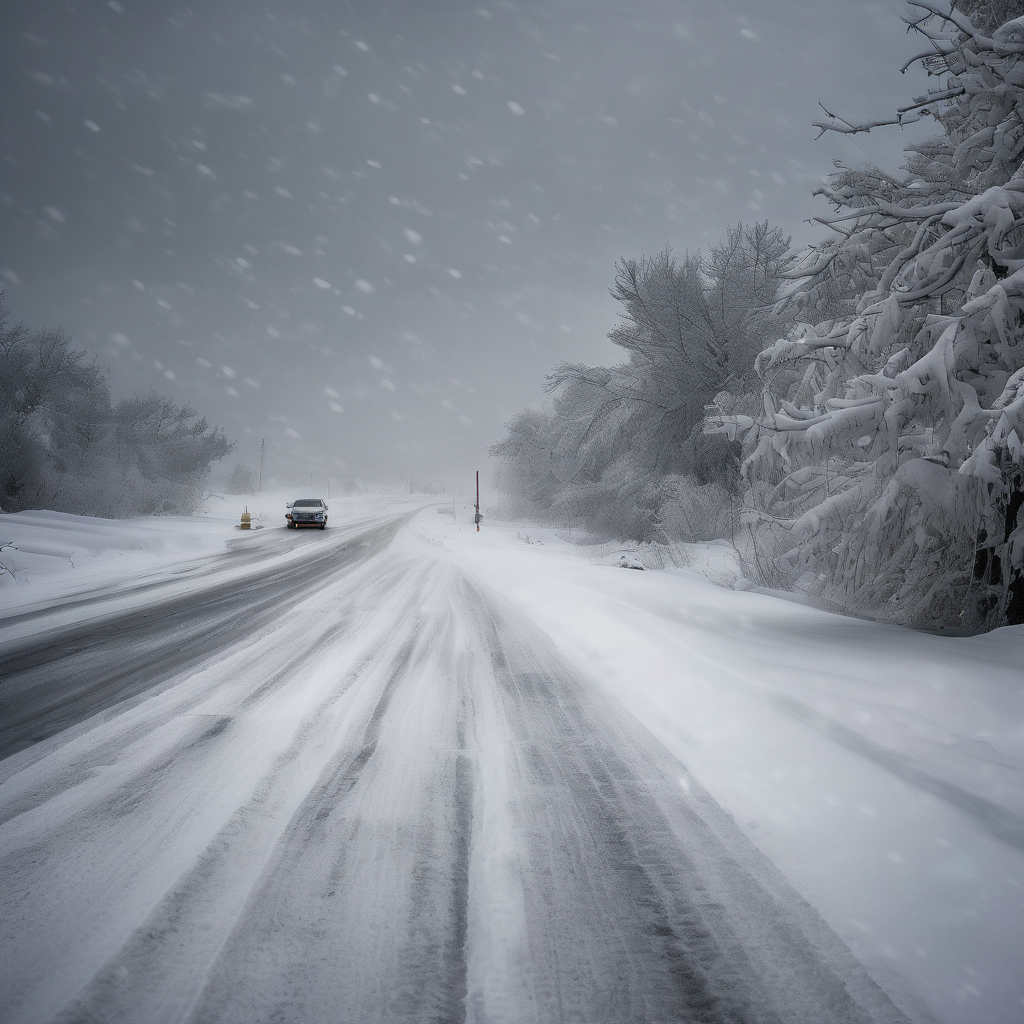
- Reduced visibility: Blowing snow can cause whiteout conditions, making it nearly impossible to see even a few feet ahead.
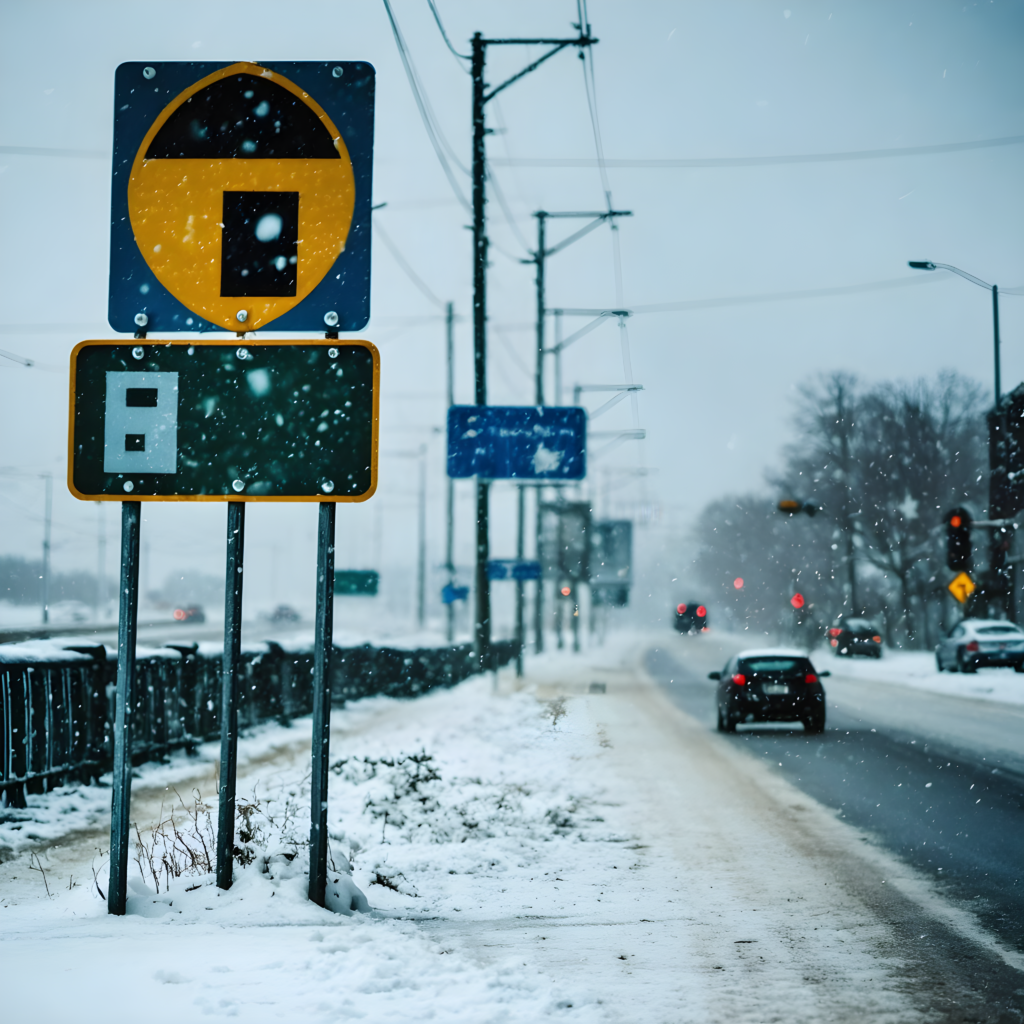
- Slippery roads: Ice and compacted snow drastically reduce traction, increasing the risk of skidding and accidents.
- Road closures: Many highways and mountain passes are expected to close temporarily due to unsafe conditions.
- Stranded motorists: Emergency services may be delayed in reaching stranded drivers due to storm severity.
Advice::
Avoid driving unless absolutely necessary. If you must drive, ensure your vehicle is winterized (winter tires, full gas tank, emergency kit including blankets, food, water, flashlight, and a shovel).
2. Air Travel Disruptions
- Flight cancellations and delays: Major hubs like Chicago O’Hare, Toronto Pearson, and London Heathrow are already reporting cancellations due to snow accumulation on runways and poor visibility.
- Extended wait times: Security and boarding procedures may slow down as airports deal with weather-related challenges.
- Baggage handling issues: Delays in loading and unloading luggage are common during severe weather.
Advice:
Check your airline’s status frequently, arrive early, and be prepared for rebooking or extended layovers. Consider travel insurance that covers weather disruptions.
3. Rail Travel Challenges
- Track obstructions: Snow drifts and ice buildup can cause train delays or cancellations.
- Reduced service frequency: Some rail lines may reduce the number of trains running to ensure safety.
- Passenger comfort: Heating systems may be strained, and prolonged delays can affect passenger well-being.
Advice::
Confirm your train schedules in advance and pack warm clothing and snacks in case of delays.
How to Stay Safe and Prepared
Whether you’re traveling or staying put, preparation is key to navigating this extreme winter weather safely.
For Travelers:
- Stay informed: Use reliable sources like the National Weather Service (weather.gov), Environment Canada (weather.gc.ca), and trusted news outlets for real-time updates.
- Have a backup plan: Be ready to postpone or reroute your trip.
- Pack essentials: Include warm clothing, extra food and water, a fully charged phone with portable chargers, and any necessary medications.
- Inform someone: Let family or friends know your travel plans and expected arrival time.
- Emergency kit: For road travelers, include a first aid kit, flashlight, blankets, jumper cables, and a snow shovel.
For Those Staying Home:
- Stock up: Make sure you have enough food, water, and medications to last several days.
- Prepare your home: Check heating systems, insulate pipes, and have flashlights and batteries ready in case of power outages.
- Limit outdoor exposure: Extremely cold temperatures and wind chills can cause frostbite and hypothermia quickly.
Real-Time Updates and Resources
To keep track of this evolving situation, here are some essential real-time resources:
– **National Weather Service (NWS):** [www.weather.gov](https://www.weather.gov)
– **Environment Canada Weather Alerts:** [weather.gc.ca/warnings](https://weather.gc.ca/warnings/)
– **FlightAware (flight tracking):** [www.flightaware.com](https://www.flightaware.com)
– **Amtrak Service Alerts:** [www.amtrak.com/service-alerts](https://www.amtrak.com/service-alerts)
– **European Severe Weather Database:** [www.eswd.eu](https://www.eswd.eu)
The Bigger Picture: Climate Patterns and Winter Storms
The intensity of this storm fits a larger trend of increasingly volatile winter weather patterns. Scientists attribute some of this volatility to climate change, which alters jet stream behavior and increases moisture in the atmosphere. This means while some regions may see warmer winters, others can experience more extreme snowfall events.
Understanding these patterns helps meteorologists improve forecasts, which are crucial for early warnings and disaster preparedness.
Final Thoughts
Extreme winter snowstorms are not just a seasonal inconvenience—they are serious weather events with the potential to disrupt lives and endanger travelers. Being proactive, staying informed, and respecting weather warnings is the best way to ensure your safety during this dangerous period.
If you have travel plans, consider rescheduling or delaying your trip until conditions improve. If you must travel, prepare thoroughly and take every precaution to navigate winter’s fury safely.
Stay warm, stay safe, and keep an eye on the skies!
Related Posts
San Ramon Tremors Explained: What’s Behind Northern California’s Earthquakes?
Earthquakes Shake Northern California: Understanding the San Ramon Tremors On…
Weekend Winter Storm Update: Severe Weather Expected to Impact Multiple Regions
A powerful winter storm is set to bring heavy snow,…

Destination Spotlight #1: Eco-Friendly Cities Leading the Way for Sustainable Travel
Explore five eco-friendly cities that are setting the standard for…