
Space Tourism Update: When Will Commercial Space Flights Become Mainstream?
Imagine gazing down on Earth from the edge of space, witnessing the vibrant blue planet swirl beneath you, the thin curve of the atmosphere glowing against the inky blackness of the cosmos. This experience, once the exclusive domain of astronauts, is edging closer to reality for everyday travelers thanks to exciting developments in commercial spaceflight.
As 2025 unfolds, the dream of space tourism is no longer confined to science fiction or distant future possibilities. Leading aerospace companies like SpaceX and Blue Origin are making significant strides toward making space travel accessible to civilians. But when will commercial space flights become mainstream? What does this mean for future travelers? Let’s take a deep dive into the current landscape of space tourism, the technological breakthroughs, and the thrilling opportunities awaiting the next generation of explorers.
The Dawn of Commercial Space Tourism
Space tourism as a concept has tantalized humanity for decades. The idea of ordinary people venturing beyond Earth’s atmosphere, experiencing weightlessness, and witnessing celestial vistas is compelling and inspiring. The first seeds were planted in the early 2000s when Dennis Tito became the first private citizen to visit the International Space Station (ISS) in 2001, paying tens of millions of dollars for the privilege.
Since then, space tourism has evolved from a niche curiosity to a burgeoning industry. The last few years have been particularly transformative, with multiple companies competing to develop reusable rockets, reduce costs, and ensure passenger safety.
Key Players in the Race to Space
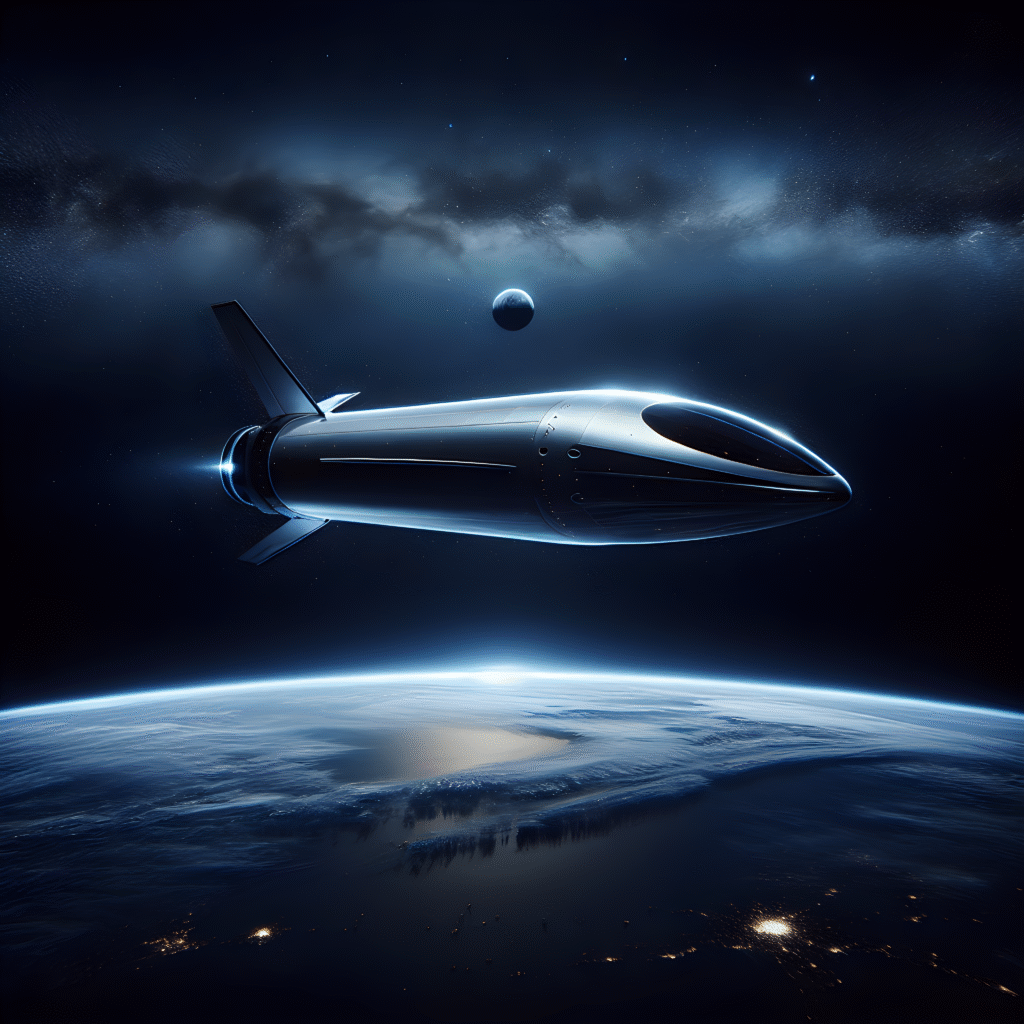
SpaceX: Elon Musk’s Vision for Interplanetary Travel
Founded by Elon Musk in 2002, SpaceX has spearheaded the commercialization of space. While initially focused on satellite launches and resupply missions to the ISS, SpaceX has grown ambitious with long-term plans to colonize Mars. However, its immediate impact on space tourism is undeniably powerful.
SpaceX’s Starship spacecraft is designed to carry passengers on suborbital and orbital flights. In 2021, SpaceX made headlines with the Inspiration4 mission—the first all-civilian orbital mission—which orbited Earth for three days with four private citizens onboard. This marked a pivotal moment, showcasing that private individuals could safely reach orbit without professional astronauts.
Looking ahead, SpaceX is planning private missions around the Moon and has even announced partnerships with space tourism companies to offer commercial flights. The innovation lies not just in the spacecraft’s capabilities but in its reusability, which drastically lowers the cost per flight.
Blue Origin: Jeff Bezos’ Gateway to Space
Blue Origin, founded by Amazon’s Jeff Bezos, champions a slightly different approach. Its New Shepard rocket is designed for suborbital flights lasting about 10 to 12 minutes. Passengers experience a few minutes of weightlessness and breathtaking views of Earth’s curvature before descending gently back to the surface.
Blue Origin made history in 2021 with its first crewed flight, which included Jeff Bezos himself. The company has since expanded ticket sales to the public, with prices estimated around $250,000 to $500,000 per seat. While this price point puts space tourism beyond the reach of most, it signals a new era where space travel is no longer solely for government astronauts.
Virgin Galactic: Democratizing Space from Above the Atmosphere
Richard Branson’s Virgin Galactic offers a space tourism experience that sits between traditional airplanes and rockets. Their SpaceShipTwo is a spaceplane that launches from a carrier aircraft at high altitude, then ignites rockets to reach the edge of space—about 50 miles above Earth.
Passengers enjoy several minutes of weightlessness and stunning views before gliding back to the runway. Virgin Galactic began commercial service in 2023 and has been steadily growing its customer base of space enthusiasts.
How Close Are We to Mainstream Space Tourism?
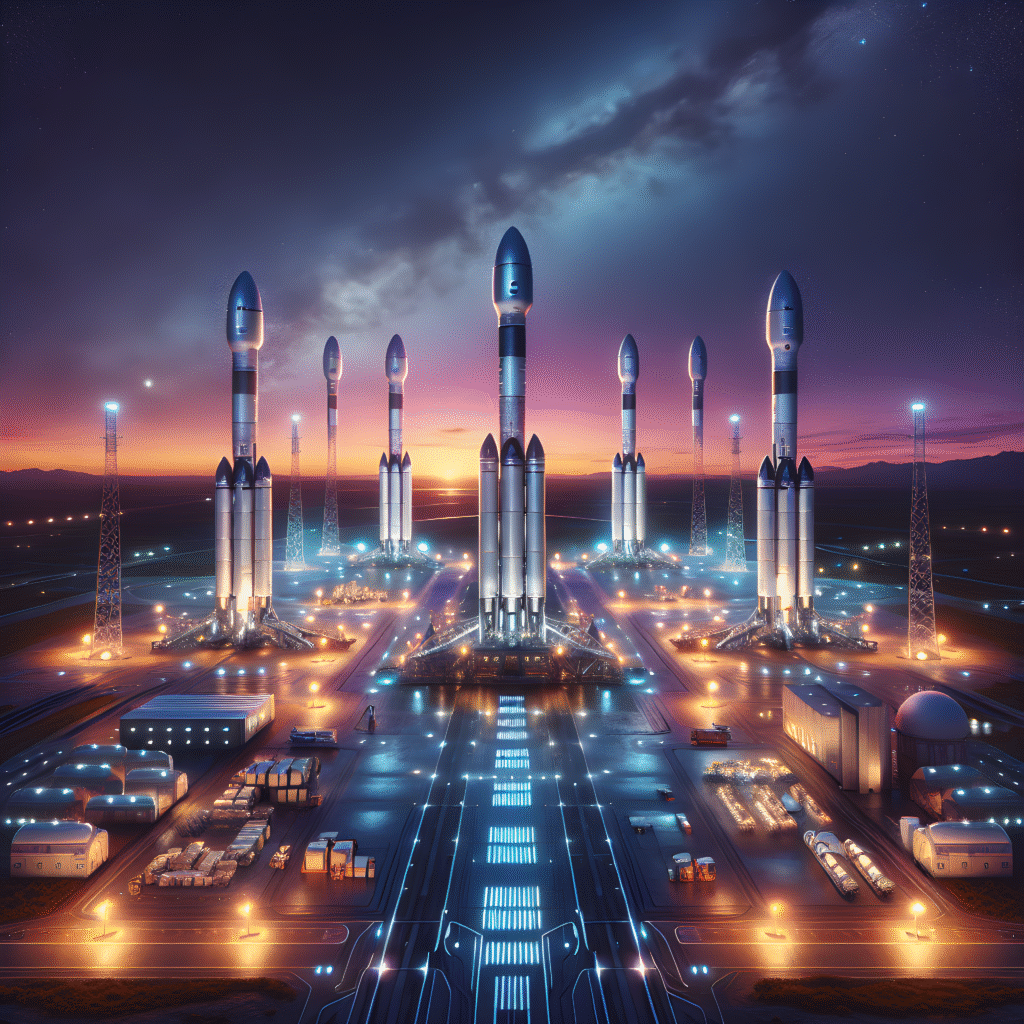
Despite these exciting advances, commercial spaceflight remains in its infancy. Currently, only a handful of people have flown to space privately, and ticket prices are prohibitively high for most travelers. However, several factors suggest that mainstream accessibility is on the horizon.
Technological Advancement and Reusability
Reusable rockets are the game changer. Traditional space missions involved single-use rockets, making each launch extraordinarily expensive. SpaceX’s Falcon 9 and Starship, as well as Blue Origin’s New Shepard, are designed to be reused multiple times, significantly lowering costs.
As technology matures, the frequency of launches increases, and economies of scale kick in, prices are expected to drop. Experts predict that within the next decade, suborbital flights could cost under $50,000, making them more attainable for affluent travelers.
Regulatory and Safety Milestones
Safety remains paramount. Space travel involves inherent risks, and regulatory bodies like the Federal Aviation Administration (FAA) are developing frameworks to oversee commercial flights. Continued successful missions, rigorous testing, and transparent safety protocols will build public trust
As companies demonstrate reliable safety records, insurance costs will decrease, and broader demographics will consider space tourism viable.
Expanding Infrastructure and Destination Options
The future of space tourism isn’t limited to suborbital hops. Space hotels, lunar flybys, and even Mars missions are on the drawing board. Companies are exploring orbital hotels—habitats where tourists could stay for days or weeks, experiencing microgravity and Earth views.
NASA and international partners are also collaborating on lunar gateway projects, which could serve as staging points for longer space tourism journeys.
What Does Space Tourism Mean for Future Travelers?
A New Frontier of Adventure
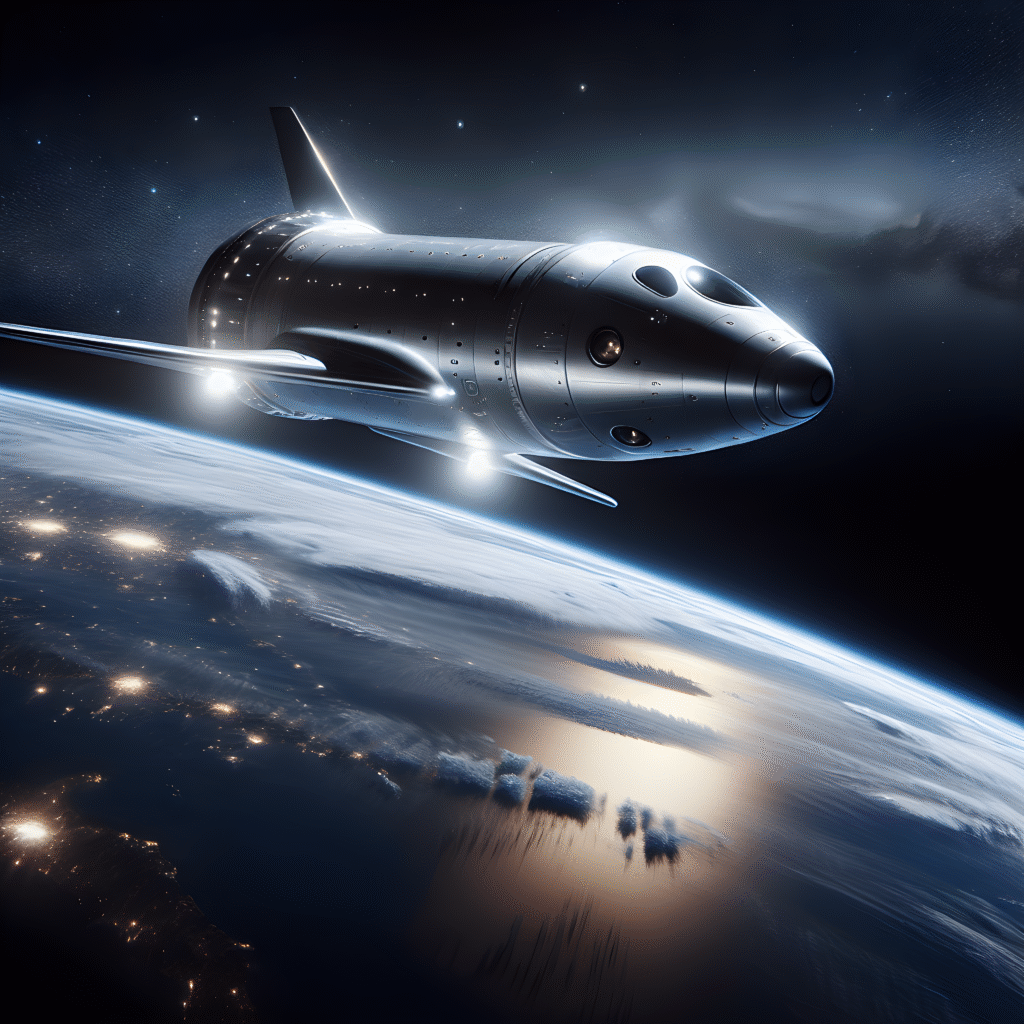
Space tourism promises a profound shift in how we experience travel. Beyond exotic beaches or mountain peaks, the ultimate adventure may be the journey beyond our planet. Travelers will have the chance to witness Earth from space, see the stars unobstructed by atmosphere, and experience weightlessness firsthand.
For many, this will be a transformational experience—an opportunity to appreciate the fragility and beauty of our home planet from a unique perspective.
Economic and Cultural Impacts
As space tourism grows, it could stimulate new industries and jobs—from spaceport operations to hospitality in space. It could also inspire a new wave of scientific curiosity and environmental awareness.
However, it raises questions about sustainability and environmental impact. Rocket launches produce emissions, and the industry will need to balance growth with ecological responsibility.
Who Will Be the Space Tourists?
Initially, space tourism will cater to wealthy thrill-seekers, celebrities, and influencers. But as technology lowers costs, a broader segment of travelers will join the ranks.
In the future, space travel might become an aspirational bucket-list experience, similar to luxury cruises or safari tours today. Educational institutions might send students to space stations for immersive STEM learning, and businesses could hold meetings in orbit.
Challenges Ahead
Cost Barriers
Even with declining prices, space tourism will remain expensive for the foreseeable future. Making it accessible to the general public requires breakthroughs in technology and infrastructure that push costs down further.
Environmental Concerns
Rocket emissions and space debris are growing concerns. The industry must innovate greener propulsion systems and develop sustainable space traffic management to avoid environmental degradation both on Earth and in orbit.
Health and Safety
Space travel poses physiological challenges—exposure to radiation, the effects of zero gravity, and the stresses of launch and re-entry. Ongoing research and medical screening protocols will be essential to ensure passenger safety.
How to Prepare for Your Future Space Trip
If the idea of becoming a space tourist excites you, here are some tips to get ready for the eventual opportunity:
– **Stay Informed:** Follow developments from SpaceX, Blue Origin, Virgin Galactic, and other players. Many companies offer newsletters or social media updates. – **Physical Fitness:** Space travel requires a reasonable level of health and fitness. Start adopting a healthy lifestyle and consult with medical professionals about spaceflight readiness. – **Financial Planning:** Space tourism prices will likely drop over time, but early adopters pay premiums. Consider budgeting and saving if this is a goal. – **Space Training:** Some companies offer pre-flight training programs or simulations to familiarize passengers with zero gravity and emergency protocols.
Conclusion: The Final Frontier Is Opening Up
The journey from fantasy to reality is well underway. Commercial space tourism is no longer a distant dream but an emerging sector poised to reshape how we think about travel. While it may take several years before space flights become truly mainstream, the momentum is undeniable
For travelers, this means a future filled with extraordinary possibilities—where the ultimate journey is not just to a distant city or island but to the stars themselves. As technology advances and costs come down, space tourism will open a new chapter in human exploration, adventure, and connection to our planet.
So, keep your eyes on the skies—the next great travel destination might just be space.
Related Posts
The Future of Travel: Exploring Innovative Tech Hubs Revolutionizing Tourism
Discover how destinations worldwide are embracing cutting-edge smart travel technologies…

Speak Like a Local: Learning Basic Phrases for Your Next Trip Abroad
How to Learn Basic Phrases in a Foreign Language Before…

Mastering Travel Photography: How to Capture Amazing Travel Photos Like a Pro
How to Capture Amazing Travel Photos Like a Pro Travel…