
Central Florida Cold Snap: Freeze Warnings, Chilly New Year’s Eve, and How to Stay Prepared
As Central Florida braces for an unusually cold snap, residents north of Orlando face freeze warnings while chilly temperatures linger into the New Year. Learn how to protect your home, health, and holiday plans during this rare winter weather event.
Central Florida Cold Snap: What You Need to Know
Central Florida, known for its sunshine and warm winters, is getting a rare taste of freezing temperatures this week. With freeze warnings issued for areas north of Orlando and a chilly New Year’s Eve forecasted, residents are bundling up and bracing for a holiday season like no other. But what’s causing this sudden drop in temperatures, and how can you prepare?
In this blog, we’ll dive into the details behind the cold snap, explore its potential impacts, and share practical tips to help you stay warm and safe. Whether you’re a lifelong Floridian or just visiting for the holidays, this guide has you covered.
What’s Behind the Cold Snap?
A Blast of Arctic Air
The current cold snap sweeping across Central Florida is tied to a larger weather system affecting much of the eastern United States. A powerful Arctic air mass has pushed southward, bringing frigid temperatures to states unaccustomed to wintery weather. While areas like the Midwest and Northeast experience this regularly, it’s a rare phenomenon for Florida.
According to the National Weather Service (NWS), overnight lows in parts of Central Florida could dip into the 30s, with some areas north of Orlando potentially dropping below freezing. Freeze warnings have been issued for regions like Marion and Volusia counties, where temperatures could hover around 32°F or lower for several hours.
Why Is This Significant for Florida?
Florida’s subtropical climate means it usually enjoys mild winters, with average January highs in Orlando ranging from 70°F to 74°F. When temperatures drop below freezing, it can disrupt agriculture, damage infrastructure, and catch residents off guard. For example, the state’s citrus industry—valued at $6.7 billion annually—is particularly vulnerable to frost.
How the Cold Snap Affects Everyday Life
Impact on Agriculture
One of the biggest concerns during a Florida freeze is its impact on crops. Citrus farmers in Central Florida are on high alert, as prolonged exposure to freezing temperatures can damage oranges and grapefruits. According to the Florida Department of Agriculture, even a few hours of frost can lead to millions of dollars in losses.
Farmers are implementing measures like irrigation to create a protective layer of ice on crops, which helps insulate them from the cold. However, these methods are resource-intensive and not always foolproof.
Health Risks
Freezing temperatures can pose serious health risks, especially for vulnerable populations like the elderly, young children, and pets. Hypothermia and frostbite may not be common concerns in Florida, but they’re real risks during a cold snap. Make sure to dress in layers, limit outdoor exposure, and check on neighbors who may need assistance.
Travel Disruptions
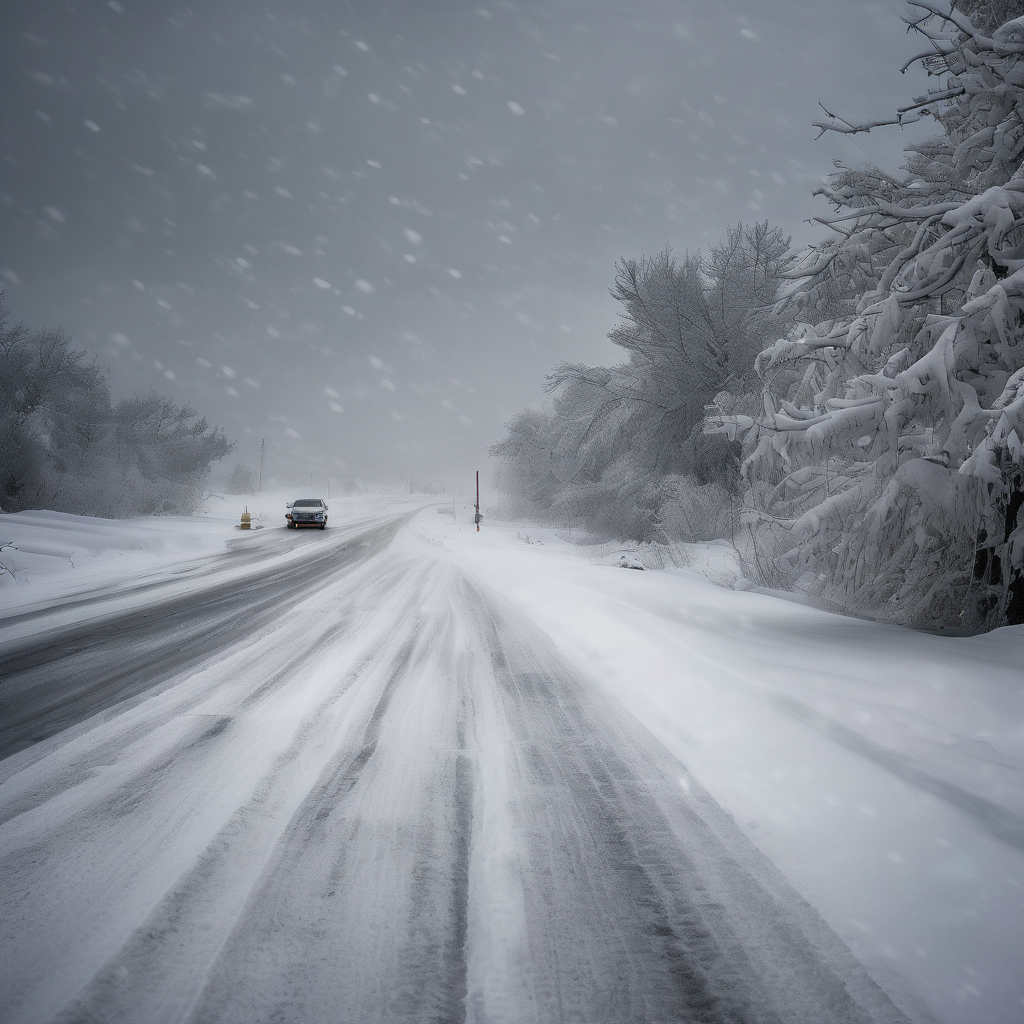
If you’re planning to travel during the holiday season, the cold weather might throw a wrench in your plans. Frosty conditions can lead to icy roads in northern parts of Florida, creating hazardous driving conditions. Airports in Central Florida are less likely to face significant disruptions, but delays could occur if the cold snap causes issues in other parts of the country.
Practical Tips for Staying Safe and Warm
1. Protect Your Home
Freezing temperatures can wreak havoc on homes, especially if you’re not prepared. Here are some quick tips:
- Insulate Pipes: Wrap exposed pipes with foam or towels to prevent them from freezing and bursting.
- Seal Drafts: Check for gaps around doors and windows, and use weatherstripping or caulk to seal them.
- Run Faucets: Letting faucets drip slightly can keep water moving and reduce the risk of frozen pipes.
2. Dress for the Weather
Floridians may not be used to bundling up, but layering is key during a cold snap. Opt for:
- Thermal Clothing: Base layers made of wool or synthetic materials can keep you warm without bulk.
- Hats and Gloves: A significant amount of body heat escapes through your head and hands, so cover up.
- Windproof Outerwear: A good jacket can shield you from chilly breezes.
3. Protect Your Pets
Don’t forget about your furry friends! Bring pets indoors and make sure they have warm bedding. If you must walk your dog, limit the time spent outside and consider pet booties to protect their paws from cold surfaces.
4. Monitor Local Weather Alerts
Stay informed by following reliable sources like the National Weather Service or local news stations. Freeze warnings and frost advisories can change quickly, so it’s important to stay updated.
A Chilly New Year’s Eve: What to Expect
If you’re planning to ring in the New Year outdoors, prepare for a brisk evening. Temperatures in Orlando are expected to dip into the 40s, with wind chills making it feel even colder. Popular events like fireworks at Lake Eola or theme park celebrations will go on, but attendees should dress warmly and bring blankets.
For those staying indoors, a cozy night with hot cocoa and a movie marathon might be the way to go. Either way, this New Year’s Eve will be one for the memory books—with or without the usual Florida sunshine.
Future Outlook: What Does This Mean for Florida’s Climate?
Are Cold Snaps Becoming More Common?
While Florida’s cold snaps are still relatively rare, some scientists suggest that changes in global weather patterns could make them slightly more frequent. Polar vortex disruptions, linked to climate change, may allow colder air to reach farther south than usual.
Long-Term Implications
For Florida, this could mean more unpredictable winters and greater challenges for agriculture, infrastructure, and public health. Adapting to these changes will require investments in climate resilience, from improving crop protection methods to updating building codes for extreme weather.
Conclusion
Central Florida’s cold snap is a reminder that even the Sunshine State isn’t immune to winter weather. With freeze warnings in effect and a chilly New Year’s Eve ahead, it’s essential to stay prepared and informed. Take steps to protect your home, health, and holiday plans, and don’t forget to check in on neighbors and loved ones who may need extra support.
As we head into the New Year, let’s embrace the cold as an opportunity to appreciate Florida’s unique climate—and maybe even enjoy a rare chance to wear that winter coat buried in the back of your closet. Stay warm, stay safe, and have a Happy New Year!
Category: 🌍 Climate
Read Time: 12 min read
Related Posts
Weekend Winter Storm Update: Severe Weather Expected to Impact Multiple Regions
A powerful winter storm is set to bring heavy snow,…

Destination Spotlight #1: Eco-Friendly Cities Leading the Way for Sustainable Travel
Explore five eco-friendly cities that are setting the standard for…

Discover Winter Magic: Top 5 Hidden Gem Destinations to Visit This Holiday Season
Top 5 Hidden Gem Destinations to Visit This Holiday Season…