
A powerful winter storm is set to bring heavy snow, ice, and dangerous winds to various regions across the U.S. this weekend. Stay informed with the latest weather updates, safety tips, and actionable advice to prepare for this significant event.
Weekend Winter Storm Update: Severe Weather Expected to Impact Multiple Regions
This weekend, a massive winter storm is forecasted to sweep across large parts of the United States, bringing with it a mix of hazardous conditions, including heavy snow, icy roads, and high winds. Meteorologists are closely monitoring the system, which is expected to impact millions of people from the Midwest to the Northeast and even parts of the South. As of January 23, 2026, weather models are indicating that this storm could be one of the most significant events of the season.
In this blog post, we’ll break down the details of the upcoming storm, explore the regions most likely to be affected, and provide practical tips to help you stay safe and prepared. Let’s dive in.
🌨️ Main Content
1. Storm Overview: What to Expect
The National Weather Service (NWS) has issued winter storm warnings and watches for a wide swath of the country, with the storm expected to intensify between Friday evening and Sunday morning. Here’s what you need to know:
- Snowfall Totals: Forecasters predict widespread snowfall accumulations of 8-16 inches in parts of the Midwest, including Chicago, Minneapolis, and Detroit. Higher elevations in the Northeast, such as the Adirondacks and Green Mountains, could see totals exceeding 20 inches.
- Ice and Freezing Rain: A dangerous icing event is likely across portions of the Ohio Valley and the Appalachians, where up to half an inch of ice could accumulate on roads, power lines, and trees.
- Wind Gusts: Sustained winds of 20-30 mph, with gusts up to 50 mph, are expected in open areas, creating whiteout conditions and dangerously low visibility. Blowing snow could result in drifts several feet high.
- Flooding Potential: In the Southeast, warmer air from the Gulf of Mexico will bring heavy rain, with localized flooding possible in low-lying areas.
2. Regions in the Path of the Storm
The storm’s impact will vary depending on your location. Here’s a regional breakdown:
Midwest
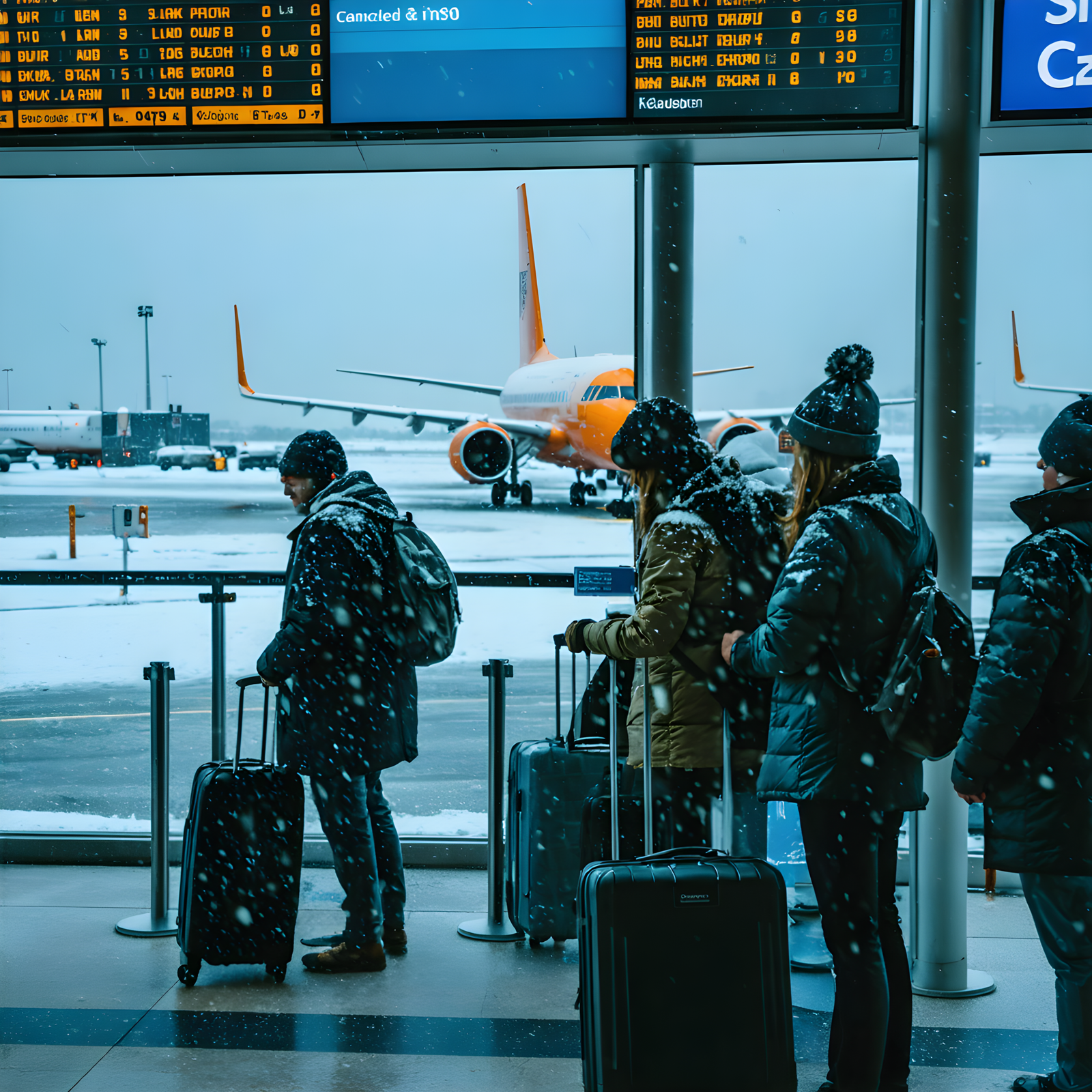
The Midwest will bear the brunt of the storm in its early stages. Cities like Chicago and Milwaukee are preparing for a potential snow emergency, with municipal crews working around the clock to salt roads and clear major highways. Travel delays are expected at major airports, including O’Hare International Airport, where over 200 flights have already been canceled.
Northeast
By Saturday afternoon, the storm will shift eastward, targeting the Northeast. Boston, New York City, and Philadelphia could experience a mix of snow and freezing rain, transitioning to heavy snow by evening. Coastal areas may also face minor storm surge and tidal flooding.
South and Southeast
Unseasonably warm temperatures in the Southeast will clash with the incoming cold front, resulting in severe thunderstorms and heavy rain. Atlanta, Charlotte, and Nashville are expected to see flash flooding in urban areas. Residents are advised to avoid driving through water-covered roads.
3. Disruption to Travel and Daily Life
Severe winter weather often leads to widespread disruptions, and this storm is no exception. Here are some key impacts:
- Air Travel: Major airlines, including Delta and United, have issued travel waivers for affected regions. Check your flight status frequently and consider rebooking if you’re traveling this weekend.
- Road Conditions: Icy roads and snow drifts will make driving treacherous. If you must travel, pack an emergency kit with essentials like blankets, water, and a flashlight.
- Power Outages: Ice accumulation on power lines and trees could lead to outages in areas like Kentucky, West Virginia, and Pennsylvania. Utility companies are staging crews to respond quickly to downed lines.
- Supply Chain: Grocery stores are already seeing increased demand for essentials like bread, milk, and bottled water. Consider stocking up early to avoid last-minute rushes.
4. Climate Trends: Why Are Winter Storms Becoming More Intense?
This storm is part of a broader pattern of increasingly extreme weather events that climate scientists attribute to global warming. Here’s a quick look at the trends:
- Warmer Arctic Temperatures: The Arctic is warming at a rate four times faster than the global average, disrupting jet stream patterns and leading to more frequent polar vortex outbreaks in the U.S.
- Increased Moisture: Warmer air holds more moisture, resulting in heavier snowfall during winter storms.
- Rapid Temperature Swings: The clash between warm and cold air masses is becoming more pronounced, fueling the intensity of storms.
These changes highlight the urgent need for climate adaptation strategies to better prepare for extreme weather.
❄️ Practical Tips to Stay Safe
Preparation is key when facing a storm of this magnitude. Here are some actionable tips to help you stay safe:
Before the Storm
- Stock Up on Supplies: Ensure you have enough food, water, and medication to last at least 3 days. Don’t forget pet supplies and baby essentials if applicable.
- Charge Devices: Fully charge your phones, power banks, and other essential electronics in case of power outages.
- Secure Your Home: Check for drafts around windows and doors. If you live in an area prone to flooding, move valuables to higher ground.
During the Storm
- Stay Indoors: Avoid unnecessary travel and stay off the roads unless it’s an emergency.
- Monitor Updates: Keep a battery-powered weather radio handy to receive the latest alerts.
- Use Caution with Generators: If using a generator, place it outside and away from windows to prevent carbon monoxide poisoning.
After the Storm
- Check on Neighbors: Elderly or vulnerable neighbors may need assistance with shoveling snow or getting supplies.
- Clear Snow Safely: Use an ergonomic shovel and take frequent breaks to avoid overexertion.
- Document Damages: Take photos of any storm-related damage for insurance claims.
🔮 Future Outlook: More Winter Weather Ahead?
As we move deeper into 2026, meteorologists warn that this storm could be the first in a series of significant winter weather events. Long-range forecasts suggest colder-than-average conditions for February, with heightened storm activity due to an active El Niño pattern. Stay vigilant and keep an eye on trusted weather sources for updates.
🌟 Conclusion
This weekend’s winter storm is shaping up to be a major event, with widespread impacts across multiple regions. By staying informed and taking proactive steps to prepare, you can help ensure your safety and minimize disruptions. Remember, severe weather can be unpredictable, so always err on the side of caution.
For the latest updates, check your local weather reports and follow trusted sources like the National Weather Service. Stay safe and warm, and we’ll see you on the other side of the storm!
Have questions about preparing for winter storms? Share them in the comments below, and we’ll do our best to help!
Category: 🌍 Climate
Read Time: 14 min read
Related Posts

Destination Spotlight #1: Eco-Friendly Cities Leading the Way for Sustainable Travel
Explore five eco-friendly cities that are setting the standard for…

Chilly New Year’s Eve in Central Florida: Freeze Alerts and How to Prepare
Central Florida Cold Snap: Freeze Warnings, Chilly New Year’s Eve,…
Major Snowfall Forces Flight Cancellations: New York Governor Hochul Advises Travel Plan Adjustments
With a significant snowstorm hitting New York, Governor Kathy Hochul…